- Anvith Industry
- Sustainability
- 0 Comments
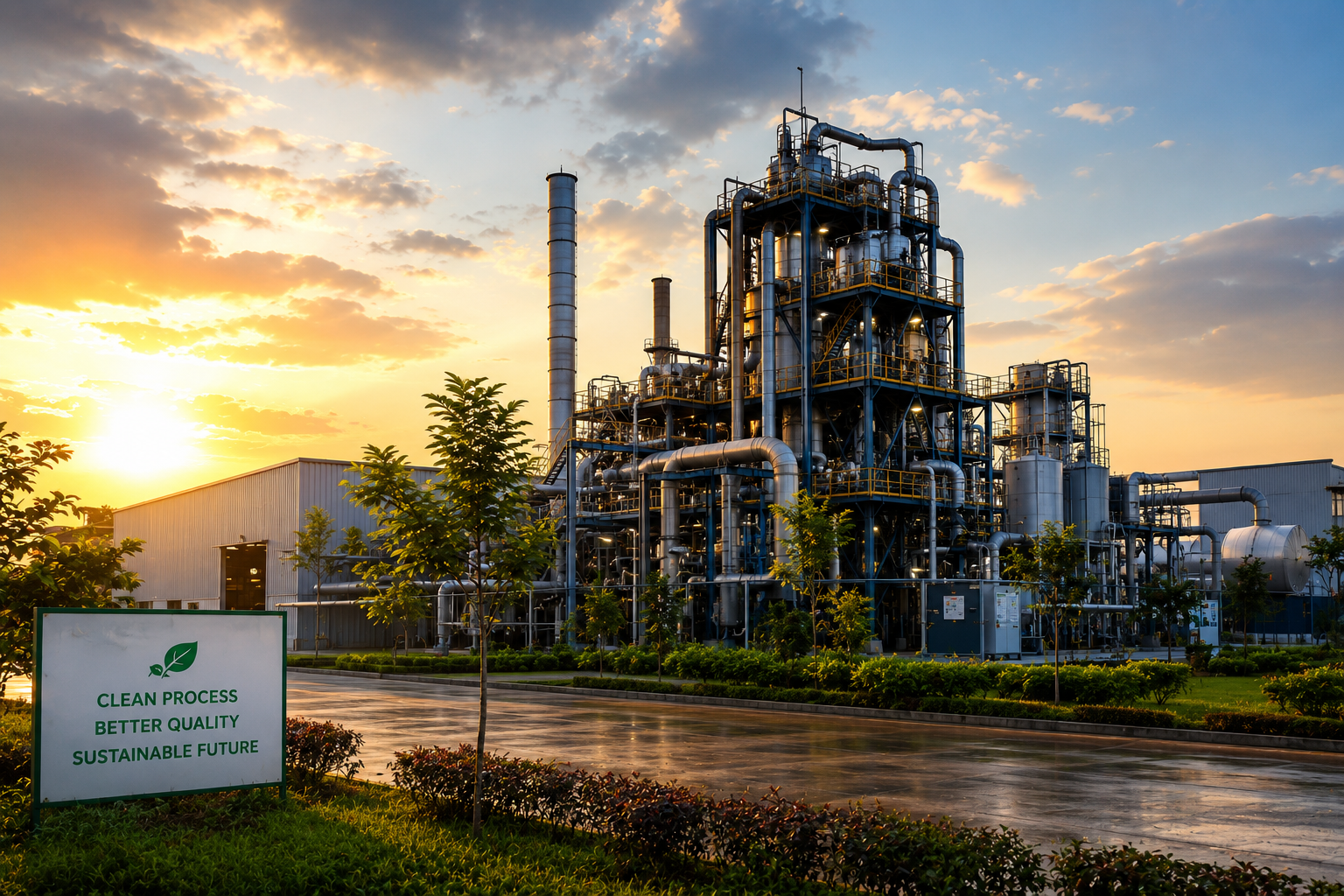
Sustainability in industrial manufacturing is often framed purely as an environmental obligation, but in zinc oxide production, cleaner processes and better product quality tend to move together rather than in opposition. Understanding how sustainable manufacturing methods work helps explain why more zinc oxide buyers are factoring production method into their sourcing decisions, not just price and specification.
The Emissions Problem With Conventional Processes
Traditional zinc oxide production methods rely on fuel combustion to generate the heat needed to vaporise zinc metal. This combustion process releases greenhouse gases and other emissions, and the variability inherent in fuel-fired heating can also make it harder to maintain precise, consistent furnace temperatures – a factor that directly affects the purity and particle characteristics of the final product.
How Electric Manufacturing Reduces Environmental Impact
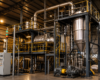
Electric-process zinc oxide plants replace fuel combustion with electrically heated furnaces, cutting direct emissions associated with the vaporisation stage. When paired with automation, electric plants can also operate more energy-efficiently overall, since heating can be controlled and adjusted with much finer precision than combustion-based systems typically allow.
Quality Control as an Environmental Strategy
Reducing defects and off-spec batches is itself a sustainability practice – every rejected or reworked batch represents wasted raw material, energy and process time. Manufacturers that invest in rigorous R&D and quality testing tend to produce less waste over time simply because their processes are more consistent and predictable from the outset, aligning environmental responsibility with operational efficiency.
Why This Matters to Downstream Industries
Buyers across rubber, coatings, agriculture and pharmaceuticals are increasingly expected to demonstrate responsible sourcing practices throughout their own supply chains. Partnering with a zinc oxide manufacturer that can document lower-emission production methods gives downstream manufacturers a credible answer when customers or regulators ask about the environmental footprint of the materials they use.
Anvith Industry’s Auto Electric ZnO plant was built specifically around the principle that cleaner manufacturing processes produce better, more consistent zinc oxide. Contact our team to learn more about our production methods and sustainability practices.