- Anvith Industry
- Industry Insights
- 0 Comments
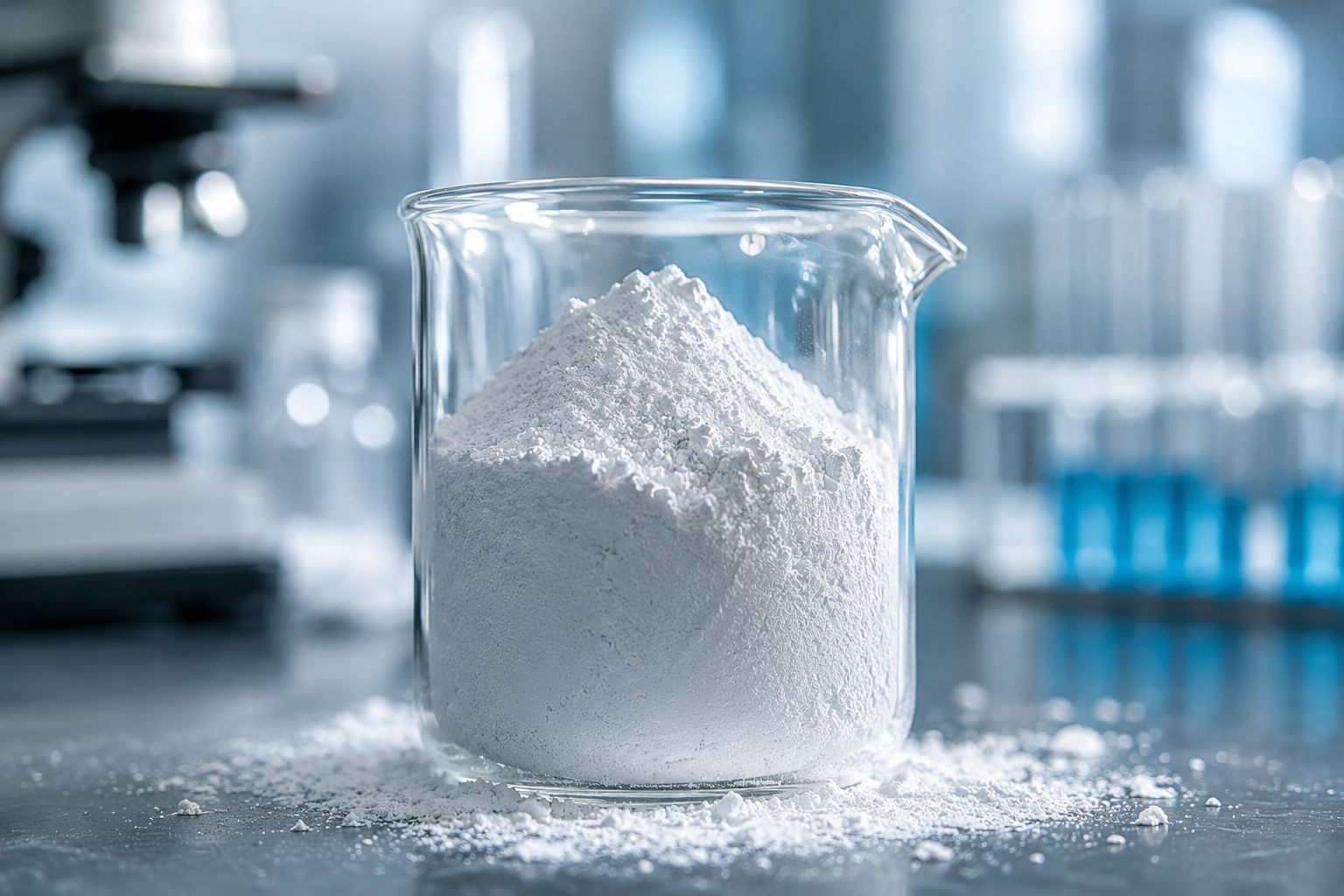
Zinc oxide (ZnO) is a white, odourless inorganic compound that ranks among the most versatile industrial minerals in use today. It appears as a fine powder and is produced through controlled oxidation of zinc metal, which is why manufacturing quality has such a direct impact on how the final material performs in an application. From rubber and paints to ceramics, agriculture, pharmaceuticals and electronics, zinc oxide plays a role in a surprisingly wide range of everyday products, even though most people never see it in its raw form.
How Zinc Oxide Is Made
There are two dominant production routes: the French process (indirect process), which oxidises molten zinc vapour, and the American process (direct process), which reduces zinc-bearing ores or secondary zinc oxide sources and then re-oxidises the vapour. A newer, cleaner alternative is the electric process, which uses electrically heated furnaces instead of fuel combustion to vaporise zinc. This method reduces emissions and gives manufacturers tighter control over particle size, purity and consistency batch after batch – a major reason modern industries increasingly prefer electric-process zinc oxide over conventionally produced material.
Common Zinc Oxide Grades Explained
Not all zinc oxide is created equal. Manufacturers typically produce several grades tailored to specific industries:
- Rubber grade zinc oxide, used as a vulcanization activator in tyres, belts and industrial rubber goods.
- Paints and coatings grade, valued for opacity, corrosion resistance and UV stability.
- Ceramics and glass grade, chosen for its role in glazes, frits and thermal stability.
- Agricultural grade, used as a micronutrient in fertilizers and foliar sprays.
- Pharmaceutical and cosmetic grade, meeting pharmacopoeia purity standards for ointments and sunscreens.
- Electronics and adhesives grade, engineered for precise electrical and chemical properties.
Why Purity and Particle Size Matter
Two zinc oxide samples can look identical yet behave very differently once formulated into a finished product. Purity levels, typically ranging from 99.5% to 99.9%, along with particle size distribution and surface area, determine how well the material disperses, how it reacts, and how consistent the end product will be. This is why industries that depend on precision – pharmaceuticals, electronics and specialty coatings in particular – insist on zinc oxide backed by rigorous R&D and batch-level quality testing rather than commodity-grade material.
Choosing the Right Supplier
Because zinc oxide is a functional ingredient rather than a filler, the manufacturer behind it matters as much as the specification sheet. Look for suppliers with modern, low-emission production methods, documented quality control, and grade-specific expertise across the industries you serve. A supplier who understands the end application – not just the chemical formula – will help you avoid costly formulation issues down the line.
Anvith Industry manufactures high-purity zinc oxide across multiple industrial grades using India’s first Auto Electric ZnO plant, combining clean processes with rigorous R&D-backed quality control. Explore our full range of zinc oxide grades or get in touch to discuss your specification requirements.